Waking Up at 3 AM? Here Are 7 Reasons Why (and What to Do About It)
You've probably experienced it: when you're exhausted, you fall asleep easily, and then—like clockwork—your eyes snap open at 3 AM. You stare at the ceiling, unable to drift back off. According to the sleep specialists, waking up during the night is actually common, and 3 AM is one of the most frequent times for it to happen. More than half of adults over 65 report at least one recurring sleep problem.
If you're struggling "why do I wake up at 3 AM every night," you're not alone. Here are 7 reasons behind those 3 AM wake-ups—and what you can do about each one.
1. Your Body Is Moving Through Lighter Sleep Stages
This may sound counterintuitive, but waking at 3 AM can actually mean your sleep is working normally.Sleep medicine experts explain that for adults who go to bed around 10 PM, 3 AM typically falls during REM sleep:- the lightest stage of the sleep cycle. Most people cycle through about five complete sleep cycles per night, each lasting roughly 90 minutes, with the later cycles dominated by lighter sleep and REM. That means any small disturbance—a sound, a temperature shift, even just rolling over—can pull you out of sleep.
What to do: If you fall back asleep relatively quickly, there's no need to worry. Keep your bedroom dark, cool, and quiet.
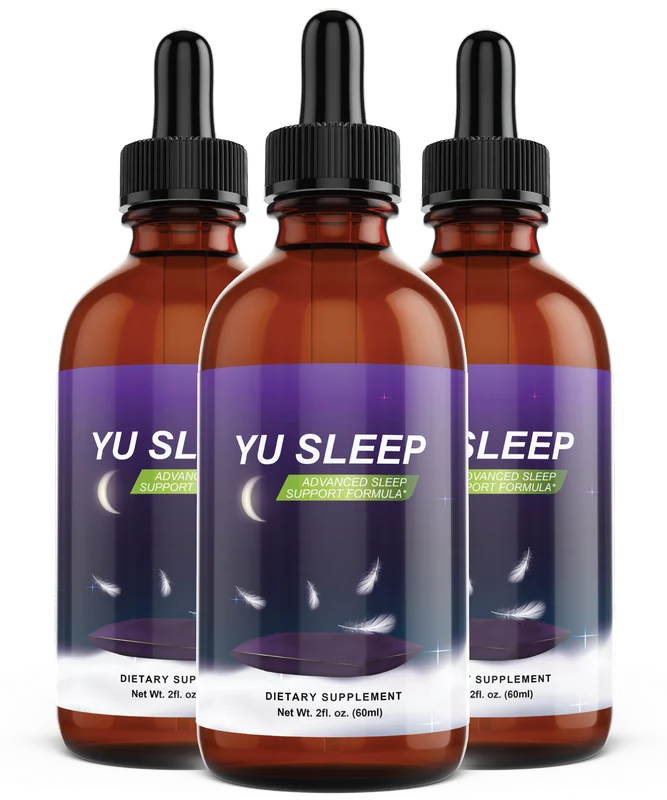
A natural formula called Yu Sleep was designed specifically for this — supporting deep, sustained sleep through the whole night, not just the first hour. It's non-habit-forming, uses well-studied natural ingredients, and works with your body's own sleep cycle.
2. Alcohol or Late-Night Drinks May Be Disrupting Your Sleep
If you drink a lot of water before bed, a 3 AM bathroom trip is almost guaranteed. But if this happens frequently, it may point to nocturia.
More importantly, watch out for alcohol. Alcohol looks like it helps you sleep, but it's actually a silent sleep disruptor. It suppresses REM sleep in the first half of the night. Once your body metabolizes the alcohol in the early morning hours, you get a "REM rebound"—intense dreaming and frequent awakenings. On top of that, as alcohol's sedative effect wears off, it can trigger a stress response similar to "hangxiety," further disrupting sleep.
What to do: Limit fluids 2 hours before bed. If you drink alcohol, try quitting for a month and see how your sleep changes.
3. Stress and Anxiety May Be Keeping Your Mind Awake
Worries you suppressed during the day often speak loudest at 3 AM.
Sleep experts explain that 3 AM is prime time for your brain to "process unresolved problems"—with the fewest external distractions, your mind grabs the chance to force you to focus on the anxieties you've been ignoring. Worse, at 3 AM we're highly irrational. An ordinary worry easily spirals into catastrophic thinking like "I definitely won't function tomorrow.
"A large meta-analysis found that people with insomnia are more than twice as likely to later be diagnosed with depression. Early-morning awakening can sometimes be an early signal of a mood disorder.
What to do: Set aside a 15–20 minute "worry window" during the day. Write your anxieties down and tell your brain, "I've already handled this." If emotional issues persist, seek professional help.
A natural formula called Yu Sleep was designed specifically for this — supporting deep, sustained sleep through the whole night, not just the first hour. It's non-habit-forming, uses well-studied natural ingredients, and works with your body's own sleep cycle.
4. Sleep Apnea (You Might Not Even Know You Have It)
Obstructive sleep apnea affects roughly 20% of the population, and women catch up to men in prevalence after menopause.
Its hallmark: the airway repeatedly collapses during sleep, causing breathing to stop. Because the second half of the night has more REM sleep—and apnea tends to be worse during REM—patients often get jolted awake around 3 AM.
Warning signs: snoring, witnessed pauses in breathing, waking up drenched in sweat, dry mouth with a metallic taste, morning headaches, or a sensation of choking in your dreams.
What to do: If this sounds like you, see a sleep specialist for a sleep study.
5. Your Body Clock May Be Shifting Earlier
Your circadian rhythm is your body's internal clock. It helps regulate when you feel sleepy, when you feel alert, and how your body responds to light and darkness.
With age, the body's sleep rhythm gradually moves earlier: melatonin production drops, deep sleep becomes lighter, and the body tends to fall asleep earlier and wake earlier.
This isn't a disease—it's a normal physiological change. Older adults who wake at 3–4 AM and can't fall back asleep often do so because their "sleep pressure" has already been used up earlier in the night.
What to do: If early waking doesn't affect your daytime functioning, you can let it be. If you want to delay your rhythm, bright light therapy of 5,000 lux or more for 30–60 minutes in the evening is the most effective method.
A natural formula called Yu Sleep was designed specifically for this — supporting deep, sustained sleep through the whole night, not just the first hour. It's non-habit-forming, uses well-studied natural ingredients, and works with your body's own sleep cycle.
6. Your Daytime Naps Are "Stealing" Your Night Sleep
Naps feel good, but they may be wrecking your nighttime sleep architecture.
Sleep medicine experts state plainly: "Napping erodes nighttime sleep." For most adults, avoiding daytime naps leads to better nighttime sleep quality. If you must nap for work or health reasons, keep it under 20 minutes.
What to do: If 3 AM waking is a serious problem, cut out naps for one to two weeks and see what happens.
7. Pain, Reflux, or Medication Side Effects May Be Waking You Up
Arthritis, acid reflux, nighttime muscle cramps—these physical discomforts are often perceived more intensely at night. Poor sleep posture can worsen pain, and pain in turn wakes you from light sleep.
Certain medications (including some antidepressants and beta-blockers) can also disrupt sleep architecture.
What to do: Adjust your sleep position and manage underlying conditions. If pain frequently wakes you, talk to your doctor about a more comprehensive pain management plan.